
Traveler Information – Visiting Israel
🛂 Visa & Entry – ETA-IL (Electronic Travel Authorization for Israel)
As of January 1, 2025, travelers from visa-exempt countries must obtain an ETA-IL (Electronic Travel Authorization for Israel) before departing for Israel.
The ETA-IL is valid for two years, or until your passport expires (whichever comes first).
It allows stays of up to 90 days per visit.
The cost is 25 NIS (8$), and the application is made online through the official government website:
👉 https://www.gov.il/he/pages/eta-il-step-by-stepIt’s recommended to apply at least 72 hours before your flight.
Approval is typically quick, but final entry is always subject to border control inspection upon arrival.
If you renew your passport or change personal details, you’ll need to apply for a new ETA-IL.
🛂 Entry Procedure – Passport Control and Visa Card
Upon arrival in Israel, you will scan your passport immediately after exiting the airplane at one of the electronic passport kiosks.
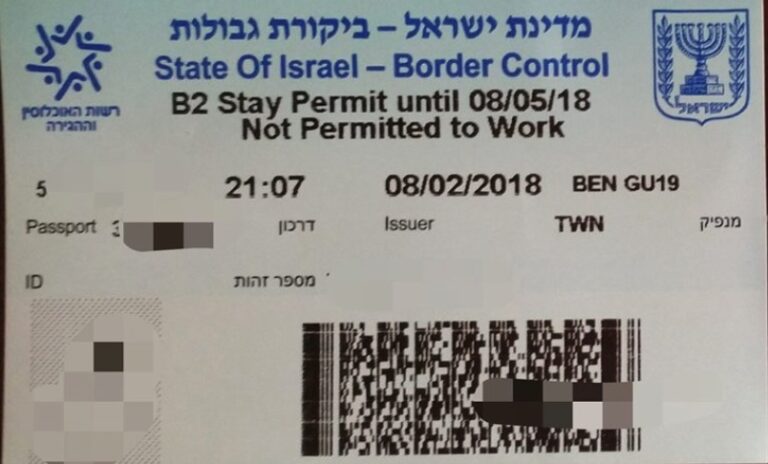
After scanning, the machine will issue a small paper card — either green or blue — which serves as your entry visa.
This card is about the size of a credit card and includes your personal details, entry date, and passport number.
You must keep this card with you during your stay in Israel, as it serves as proof of your legal entry into the country.
💡 Important:
There is no entry stamp placed in your passport.
You will not be able to leave the airport without this card.
It is not necessary to carry your physical passport while traveling inside Israel, but it is highly recommended to carry the visa card at all times.
🚶♀️ Practical Tips for Travelers
- Clothing: Light, comfortable clothes for daytime; modest attire for visiting holy sites (shoulders and knees covered).
Water: Always carry a bottle of water — Israel’s sun can be strong even in May.
Sunscreen: ☀️ The sun in Israel can be intense. Apply sunscreen regularly, especially when visiting the Dead Sea, the Galilee, or any outdoor sites. A hat and sunglasses are also highly recommended.
Sabbath (Shabbat): From Friday sunset to Saturday night, public transport and many shops/restaurants close — plan accordingly.
Electricity: 230V, European-style two-round-pin plugs.
Language: Hebrew ,Arabic and English are official languages; Russin is widely spoken.
Safety: Israel is very safe for travelers, with visible security in tourist sites and transportation hubs. there is no need to always carry your passport or highly recommend to carry copy of it.
Travel Insurance
We do not recommend any specific insurance company, but we strongly suggest purchasing comprehensive travel insurance that covers medical emergencies, trip interruptions, and luggage delays.
If you already have a company you trust, it’s a good idea to ask them for a quote.
Here is one option that many of our travelers have used in the past:
🔗 https://www.travelinsurance.com/?utm_source=pap&a_aid=61951f330d5cc
It is highly recommended to purchase comprehensive travel insurance before your trip, covering medical emergencies, flight cancellations, and luggage delays. While Israel’s healthcare system is excellent, medical treatment for tourists can be expensive without insurance.
💰 Currency – The Israeli Shekel (₪ / NIS)
The official currency is the New Israeli Shekel (NIS).
1 shekel is divided into 100 agorot (cents).
Banknotes: 20, 50, 100, and 200 shekels
Coins: ½, 1, 2, 5, and 10 shekels
You can easily exchange major currencies (USD, EUR, GBP) at banks, exchange offices, or ATMs.
💵 Many places also accept U.S. dollars, especially in tourist areas.
💳 However, most businesses prefer payments by credit card or mobile payment (Apple Pay, Google Pay).
💰 Cash in shekels U.S dollars is still widely accepted.
🚆 Transportation in Israel & the Rav-Kav Card
Israel has a modern, reliable public transportation system that connects nearly every city and region.
Main options:
Trains: Comfortable, fast, and affordable. Connects Tel Aviv, Jerusalem, Haifa, Ben Gurion Airport, and more.
Buses: Extensive coverage across the country, operated mainly by Egged, Dan, and Metropoline.
Light Rail: Available in Jerusalem and Tel Aviv (new lines expanding).
Taxis & Ride Apps: Taxis are metered; Uber and Gett are common.
💳 Rav-Kav Card:
The Rav-Kav is a rechargeable smart card used for all public transport — trains, buses, and light rail.
You can load it with money or travel passes at machines, convenience stores, or online apps.
Foreign visitors can also use the Rav-Kav app or contactless credit card directly on some systems.
It’s the most convenient and economical way to travel around the country.
More info: https://www.ravkavonline.co.il/en
Shabbat and Holidays
From Friday sunset to Saturday night, public transport and many businesses close for Shabbat.
Plan travel and dining accordingly.
During Jewish holidays, opening hours may vary.
Weather in Israel Throughout the Year
Israel enjoys a Mediterranean climate, with hot, dry summers and mild, wet winters.
Here’s what to expect in each season:
Spring (March–May):
Warm and pleasant, with blooming landscapes. Ideal for outdoor tours and nature walks.
Average: 18–28°C (65–82°F)
(Jerusalem can be cooler, especially at night.)Summer (June–August):
Hot and dry, especially in the south and the Dead Sea region.
Coastal cities like Tel Aviv are humid, while Jerusalem is dry and more comfortable.
Average: 25–35°C (77–95°F)
In Eilat and the Dead Sea: up to 42°C (108°F).Autumn (September–November):
Warm days, cool evenings — one of the best seasons to visit.
Average: 20–30°C (68–86°F)
Occasional early rains in late October.Winter (December–February):
Cool and sometimes rainy, especially in Jerusalem and the north.
Snow is rare but possible in Jerusalem or the Golan Heights.
Average: 10–18°C (50–64°F) (Jerusalem and North of Israel or high MT. in the south can go down below 0 (32°F))
Bring a jacket or umbrella.
💡 Tip: The Israeli sun can be strong even in spring or winter — sunscreen, hat, and water are always recommended.
💧 Water and Drinking Safety
Tap water in Israel is safe to drink everywhere — it meets high international health standards.
You can also easily find bottled water in all shops, hotels, and restaurants.
Even in outdoor areas, clean drinking water is available from public fountains or taps.